When a lease is signed, both landlord and tenant rely on a handful of clauses that determine rights, obligations, and remedies over the tenancy term. Missing or vague language in these critical sections—rent amount, security deposit, maintenance duties, and termination triggers—can quickly evolve into costly disputes. This overview isolates the provisions that most often dictate the success or failure of a residential rental agreement, weighing the advantages of landlord‑centric language against the protections tenants need.
What core components must appear in every rental agreement?
Even the simplest lease should contain six foundational elements. Each item serves as a reference point for enforcement and helps avoid interpretive arguments later on.
- Parties and Premises: Full legal names, contact details, and an exact description of the rental unit (address, unit number, square footage).
- Term and Rent Schedule: Start and end dates, rent amount, due date, and acceptable payment methods; include any scheduled rent escalations.
- Security Deposit Rules: Amount, conditions for retention, timeline for return, and statutory interest where applicable.
- Maintenance and Utilities: Clear allocation of repair responsibilities and which utilities each party pays.
- Termination and Renewal: Notice periods for non‑renewal, early termination penalties, and any automatic renewal clauses.
- Default and Remedies: Definition of breach, cure periods, and the procedural steps for eviction or damages recovery.
How do landlord‑focused versus tenant‑focused clauses influence risk?
Leases often tilt toward the party drafting the document. Comparing the two perspectives highlights trade‑offs that affect financial exposure and operational flexibility.
| Clause | Landlord‑Friendly | Tenant‑Friendly |
|---|---|---|
| Rent Payment | Late‑fee schedule with escalating penalties | Grace period and capped late fees |
| Maintenance | Tenant responsible for all minor repairs | Landlord handles structural repairs; tenant covers only cosmetic upkeep |
| Premises Access | 24‑hour notice for entry | 24‑hour notice with tenant consent for non‑emergency visits |
| Early Termination | High flat fee or loss of deposit | Reasonable fee proportional to remaining lease term |
Choosing a balanced approach—such as a modest late‑fee cap combined with a clear repair hierarchy—reduces the likelihood of litigation while preserving each side’s economic interests.
Which provisions most often trigger disputes, and how can they be mitigated?
Historical court filings reveal three recurring flashpoints: ambiguous security‑deposit language, vague “quiet enjoyment” expectations, and inconsistent utility cost allocation. Addressing each with precise language diminishes ambiguity.
- Security Deposit: Specify the exact condition checklist for move‑out, required documentation (photos, walkthrough report), and the exact timeline (typically 30 days) for returning the balance.
- Quiet Enjoyment: Define prohibited activities (e.g., unlicensed business, excessive noise) and outline the landlord’s remediation process before eviction is considered.
- Utilities: List each utility, indicate the billing method (separate meter versus pro‑rata split), and attach a sample utility bill as an exhibit.
Including these details in an annex reduces reliance on oral agreements, which are a common source of contention.
What realistic expectations should landlords and tenants maintain throughout the tenancy?
Both parties benefit from setting clear expectations at the outset. Landlords should anticipate routine inspection notices—generally quarterly—and budget for periodic capital improvements that are not tenant responsibilities. Tenants, meanwhile, should plan for modest move‑in costs (first month’s rent, deposit, and a prepaid utility estimate) and understand that minor wear‑and‑tear will be considered normal unless expressly noted otherwise.
Maintaining a written log of communication, especially regarding repairs or rent adjustments, creates a paper trail that can be decisive if a dispute arises. When both sides treat the lease as a living document—updating it through written amendments rather than informal promises—the tenancy is more likely to proceed without interruption.
What steps should be taken before signing to ensure all essentials are covered?
Detail‑oriented researchers recommend a systematic pre‑sign checklist:
- Verify the landlord’s ownership or authorized representation through public records.
- Cross‑reference rent amounts and increase clauses with local market data to confirm reasonableness.
- Review state‑specific statutory requirements (e.g., maximum security‑deposit limits, habitability standards).
- Confirm that any verbal promises—such as “appliance replacement within 30 days”—are transcribed into the written lease.
- Consult a qualified attorney if the lease contains unusual provisions, such as arbitration clauses or waiver of rights, that could affect enforceability.
Following this disciplined approach transforms a routine rental agreement into a robust contract that safeguards both parties’ interests.
JackpotCity Casinò Online: La Recensione Per Conoscerlo Bene

JackpotCity casinò online: la recensione per conoscerlo bene
Jackpot City Online Casino Für Deutsche Spieler, Um Slots,

Jackpot City Online Casino für deutsche Spieler, um Slots,
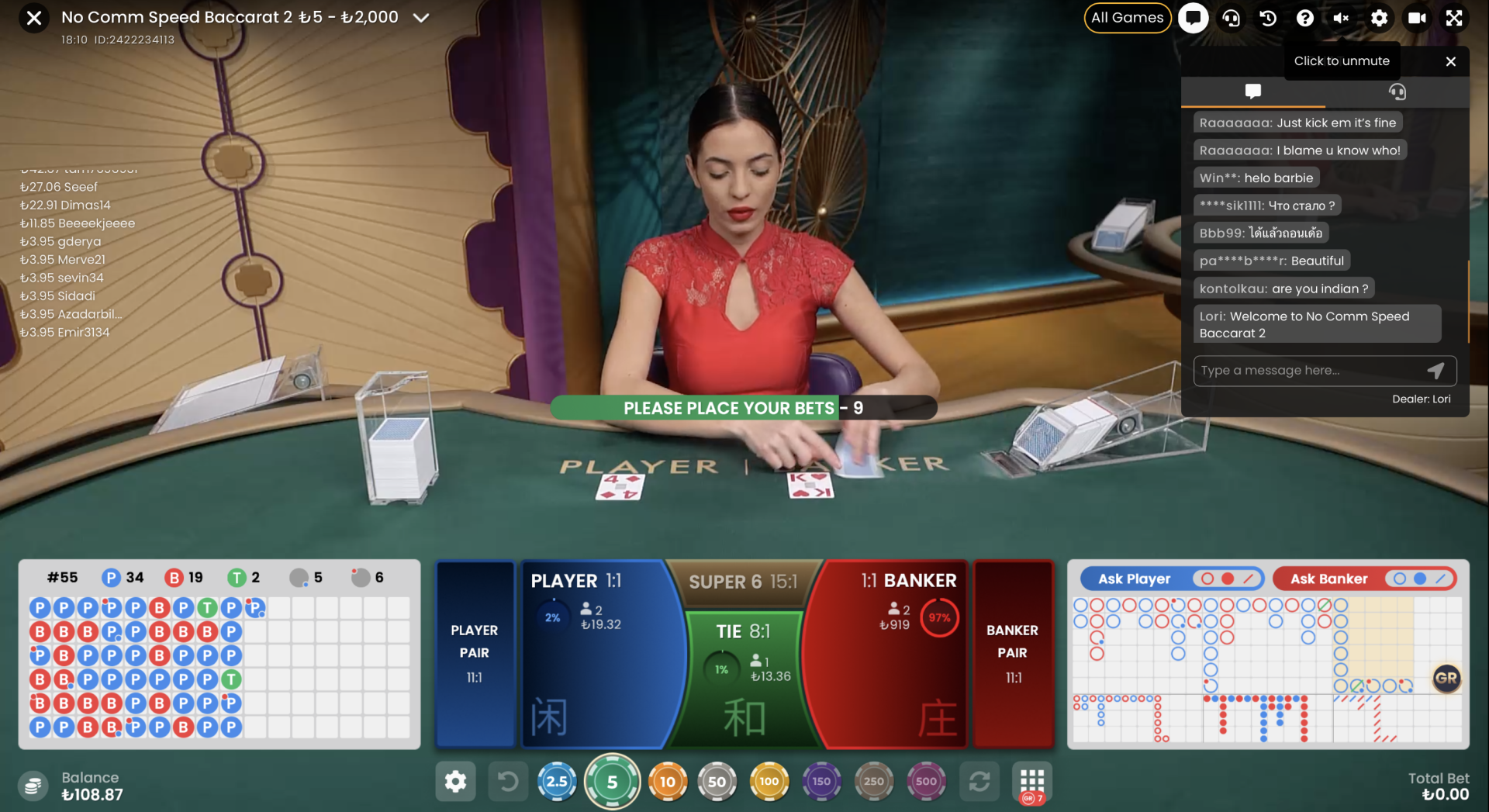
Play Online Baccarat For Real Money - Jackpot City

Play Online Baccarat for Real Money - Jackpot City
Official Website Of Baccarat - Baccarat
Official website of Baccarat - Baccarat
Key Signs Of A Trustworthy German Online Casino Site

Key Signs of a Trustworthy German Online Casino Site