Missionary name tags are more than a rubber‑stamped label; they serve as portable introductions, safety tools, and cultural bridges when volunteers travel abroad. Crafting a tag that is clear, durable, and reflective of both the missionary’s identity and the host community’s expectations can dramatically improve communication and trust on the field.
When a Simple Tag Becomes the First Conversation Starter
Imagine stepping off a plane into a bustling market in Nairobi. A passerby eyes your badge, reads the name, and instantly knows you represent a specific organization. In that moment the name tag functions as a passport to dialogue, reduces suspicion, and signals respect for local customs. Understanding this backdrop explains why design decisions—size, language, and material—matter just as much as the printed name.
Key contextual factors
- Local etiquette: Some cultures prefer modest colors, while others appreciate bold hues that stand out.
- Legal requirements: Certain countries mandate that foreign workers display their organization’s official seal.
- Climate considerations: Heat‑resistant plastics or breathable fabrics prevent tags from melting or sticking to skin.
Design Details That Turn a Tag From Functional to Memorable
Beyond the basics of name and affiliation, a well‑crafted tag adds layers of utility. The following elements often differentiate an ordinary badge from a strategic communication tool.
Information hierarchy
- Primary line: Full name in a legible sans‑serif typeface, typically 10–12 pt.
- Secondary line: Organization name or logo, placed beneath the name with a contrasting color.
- Support line: Country or region code, useful for multilingual settings and emergency identification.
Material choices for durability
Vinyl‑coated polyester resists water and UV exposure, making it a top pick for tropical assignments. For colder, drier climates, brushed metal tags with a clear protective coating offer a sleek look while remaining sturdy.
Visual touches that respect the host culture
In many Asian environments, modest pastel tones blend better with local attire, whereas in Latin American contexts a bright border can signal openness. Including a small icon—like a cross, dove, or local symbol—provides a visual cue that can transcend language barriers.

Recommendations for Creating a Tag That Works Anywhere
Putting the pieces together, here are three actionable steps for beginners ready to produce effective missionary name tags.
- Draft a template: Use a spreadsheet or graphic editor to lock in dimensions (typically 3.5 × 2 in) and designate font sizes before printing.
- Test in the field: Before ordering a full batch, print a few samples and wear them in a local setting to gauge readability and comfort.
- Partner with a reputable vendor: Choose a supplier that offers quick turnaround, material options, and the ability to embed organization logos without sacrificing tag durability.
By treating name tags as strategic assets rather than afterthoughts, missionaries can enhance safety, foster goodwill, and streamline daily interactions across diverse cultural landscapes.
Evtei 4 Amitan I Angi | PDF
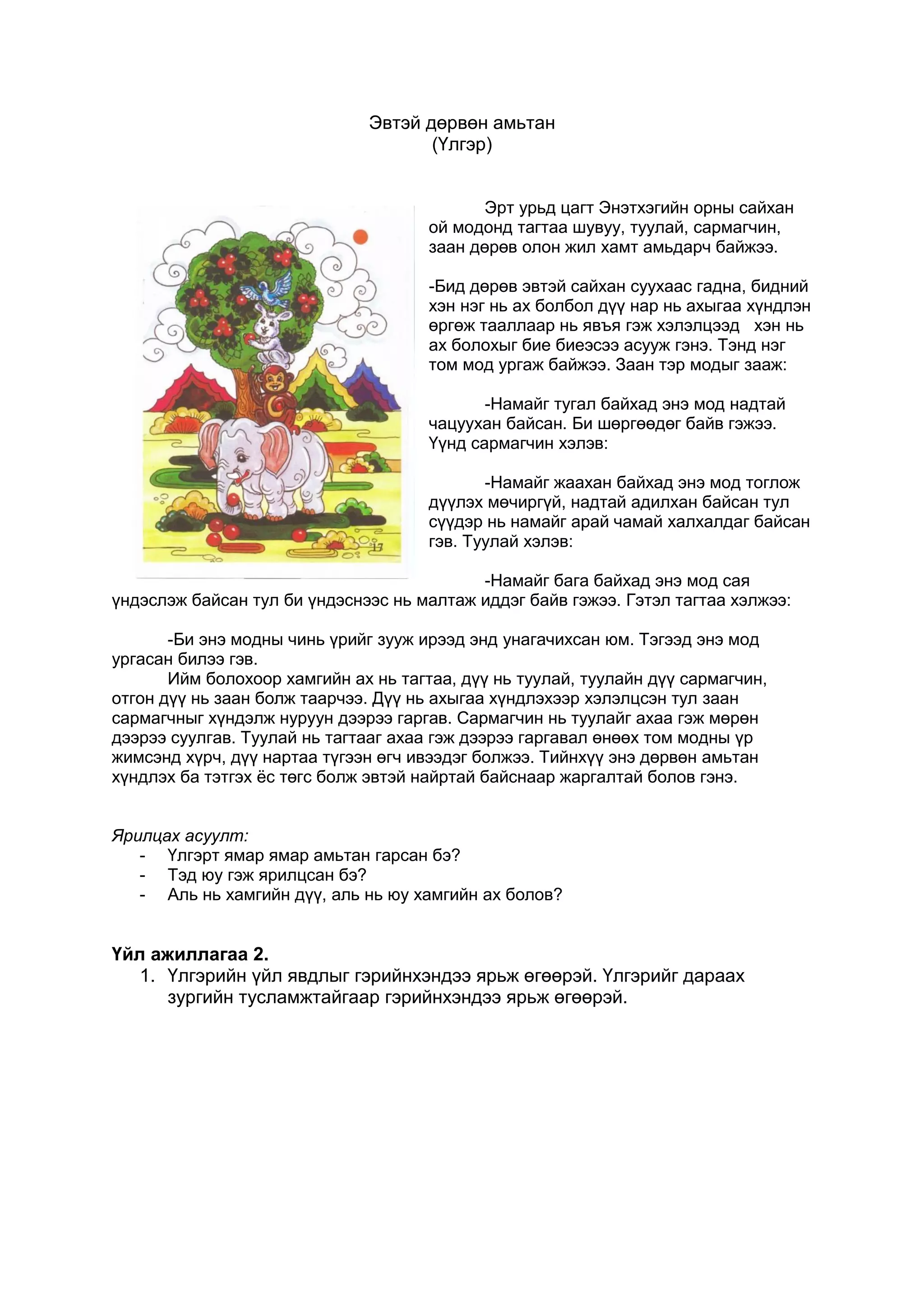
Evtei 4 amitan i angi | PDF
Уулын сүүдэр буухаар
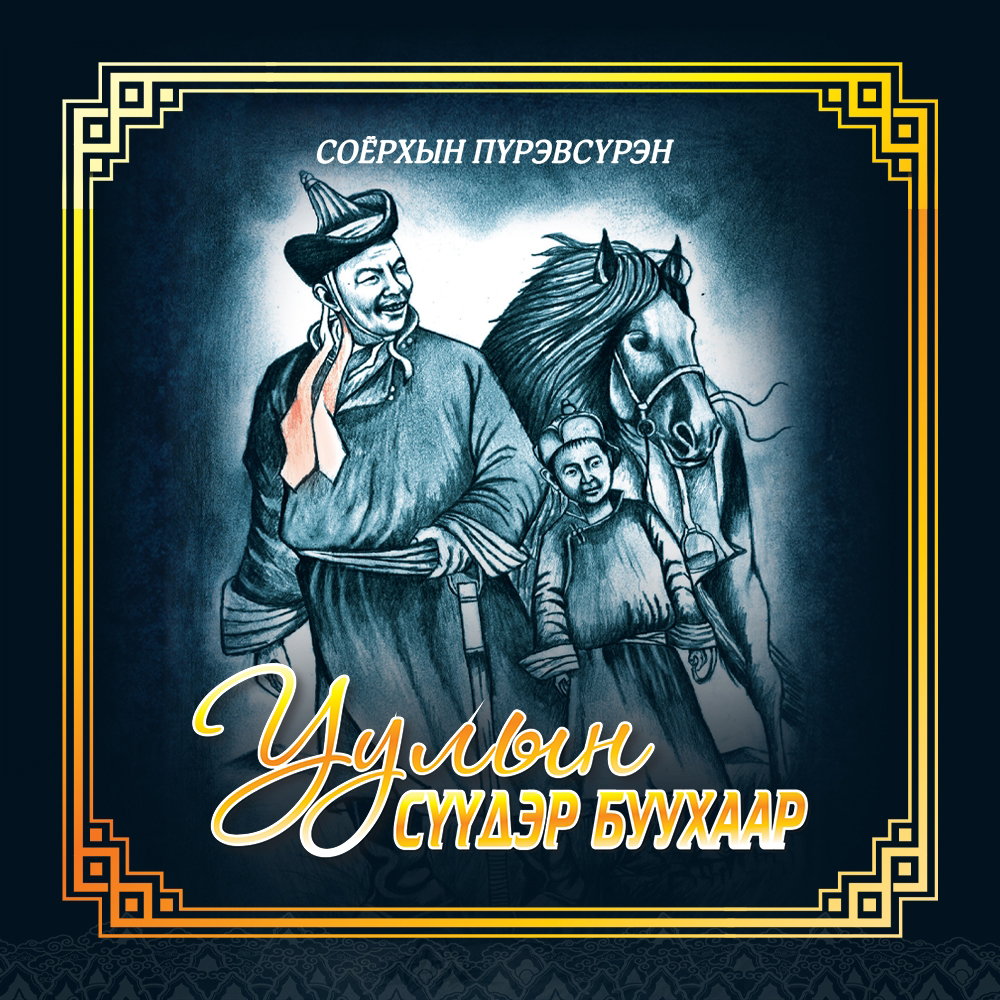
Уулын сүүдэр буухаар
Үндэсний цахим сан
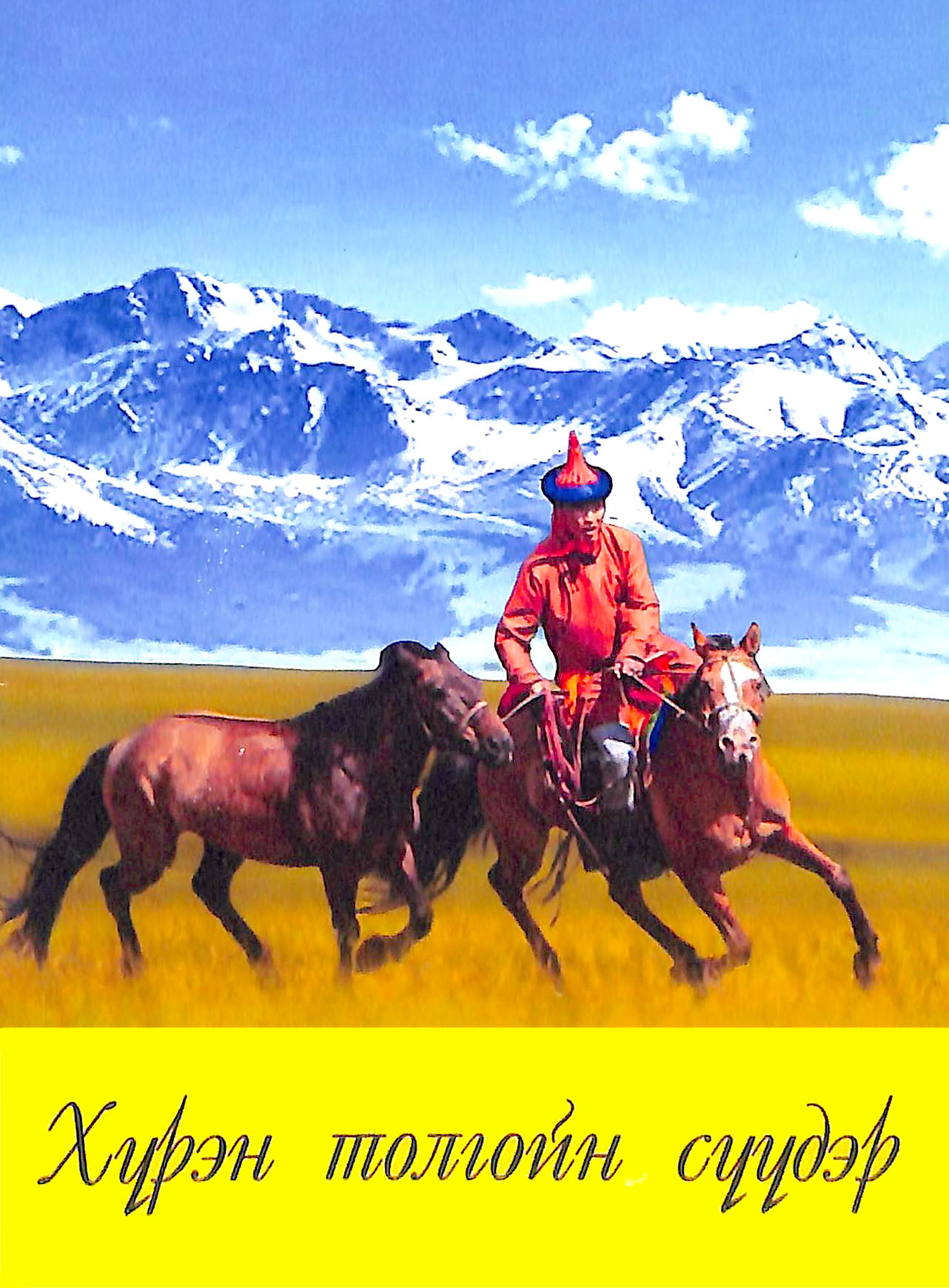
Үндэсний цахим сан